Rapid prototyping case study

HypeHype — 60+ Playable Game Prototypes

A large body of casual games, templates, and experiments built with visual scripting.

From idea to playable interaction.

Project HypeHype
Role Original dev team, 3D assets, templates, prototypes
Focus Visual scripting, casual game mechanics, rapid prototyping
Output 60+ playable prototypes, 20+ experiments / animations / scenes

Overview

A broad prototyping effort built around playable results.

As part of the original HypeHype development team, I created a large library of playable prototypes using the platform's visual scripting tools. Over several years, I built roughly 60+ unique, casual games and around 20 additional experiments, animations, and demoscene-style scenes.

The work covered racing, physics puzzles, shooters, obstacle runs, logic games, adventure experiments, music tools, and multiplayer concepts. Most of these were compact prototypes, but the goal was always the same: make the idea actually playable, test the feel, and explore what the platform could do.

This case study highlights the range of mechanics I explored and the speed at which visual scripting made it possible to move from idea to playable interaction.

Core idea

  • Build compact but playable prototypes, not just mockups.
  • Explore a wide range of casual game mechanics.
  • Use visual scripting to move quickly from idea to interaction.
  • Test game feel, controls, readability, and pacing through hands-on prototypes.
Role & contribution

Original team work across assets, templates, and prototypes.

During my time on the original HypeHype development team, I contributed 3D assets, game templates, and a large amount of playable content created directly inside the platform. My work with the visual scripting tools was both practical and exploratory: I built games and experiments that tested different mechanics, control schemes, physics interactions, game loops, and content possibilities.

The purpose was not only to create individual games, but also to explore what the tool could support and how quickly ideas could become playable.

Responsibilities

  • Created roughly 60 playable casual game prototypes.
  • Created around 20 additional experiments, demoscene-style scenes, and animations.
  • Built game logic using HypeHype's visual scripting tools.
  • Created and contributed 3D assets.
  • Created game templates and reusable examples.
  • Explored physics, racing, shooters, puzzles, obstacle runs, multiplayer concepts, music tools, and casual interaction patterns.
  • Tested game feel, readability, pacing, controls, and player feedback through hands-on prototyping.

Prototype range

Many genres, one repeated process: idea, script, play, iterate.

The prototypes covered a wide range of casual game genres and interaction types. The important part was not only the number of projects, but the repeated process behind them: start with a mechanic, build it with visual scripting, make it playable, evaluate the feel, then move on to the next idea or iteration.

Instead of listing every prototype individually, this page groups the work by mechanic type.

Physics & Motion

Rolling ball puzzles, curling-style gameplay, bouncing ball puzzles, 100-balls-at-once minigolf, pool table croquet, ragdoll crowd surfing, ballistic boat combat, and grapple-based robot movement.

Racing & Vehicles

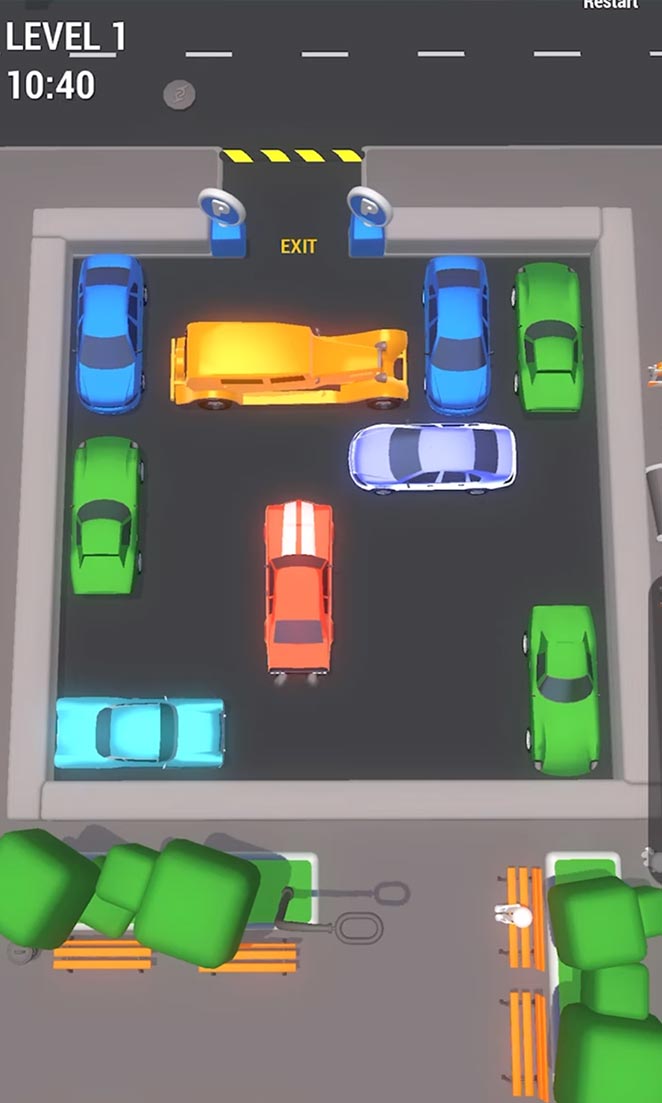
Rally racing with drifting, drag racing, boat racing, and parking-lot car puzzle mechanics.

Shooters & Targeting

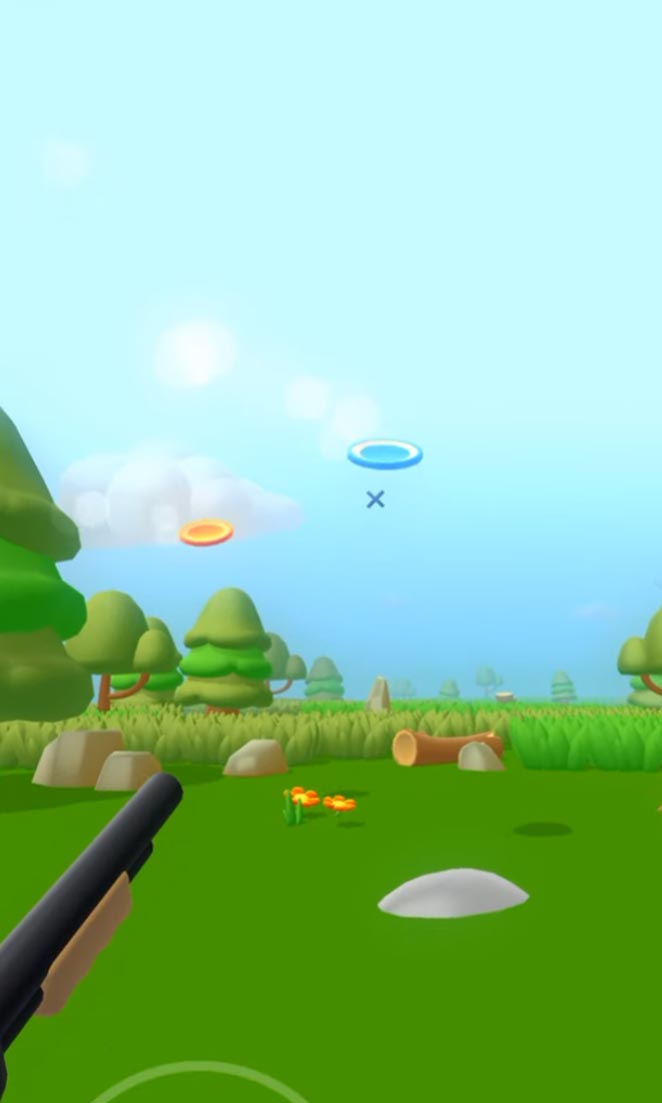
Skeet shooting, first-person asteroid shooting, top-down tank target practice, and projectile combat with ballistic trajectories.

Puzzle & Logic

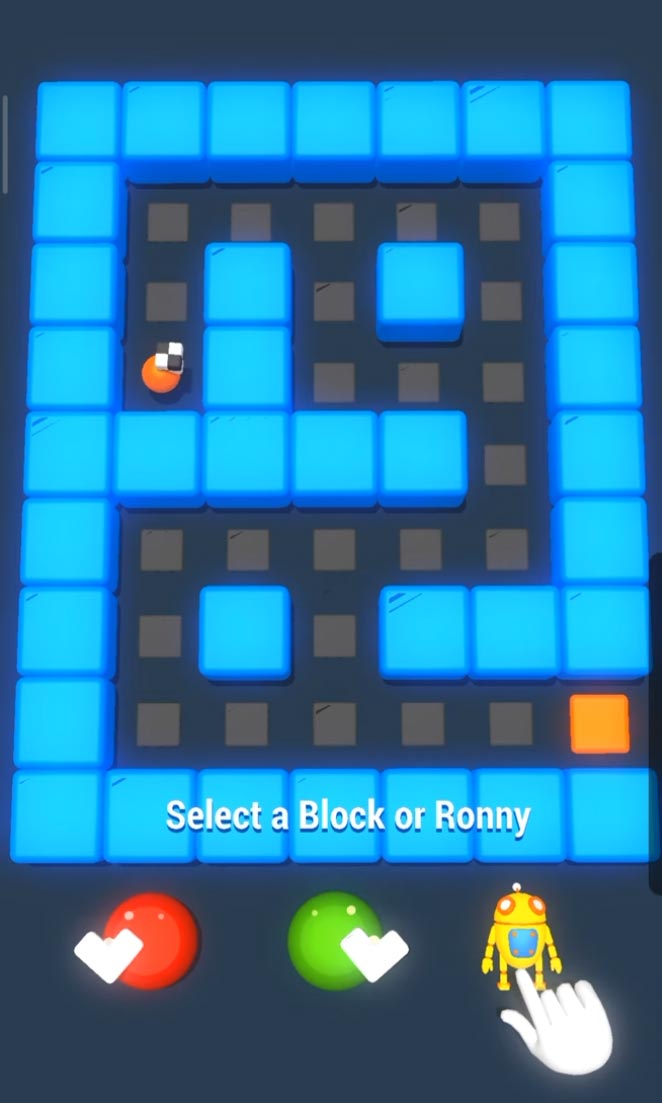
Robot maze logic programming, Lemmings-style puzzles, chess-piece enemy movement, dungeon exploration puzzles, parking lot puzzles, and grapple traversal.

Arcade & Obstacle Runs

Single-player obstacle runs, multiplayer obstacle runs, music-synced runner gameplay, simple platformers, and turn-based action with melee and ranged attacks.

Casual Exploration

Find-object games, simple themed adventures, and slower-paced scene-based interactions.

Tools & Experiments

An old-school tracker-style music composer, demoscene-style scenes, animations, and experimental interactive systems.

Physics & motion

Physical behavior as a source of readable casual gameplay.

Many prototypes explored physics as the core source of interaction. These included rolling ball puzzles, curling-inspired mechanics, bouncing ball challenges, a 100-balls-at-once minigolf experiment, ragdoll crowd surfing, ballistic boat combat, and grapple-based robot movement.

These projects focused on making motion, impact, timing, and physical cause-and-effect feel understandable and satisfying. The strongest ideas were often the ones that could be understood immediately from movement alone.

Placeholder for a 100-balls-at-once minigolf HypeHype prototype
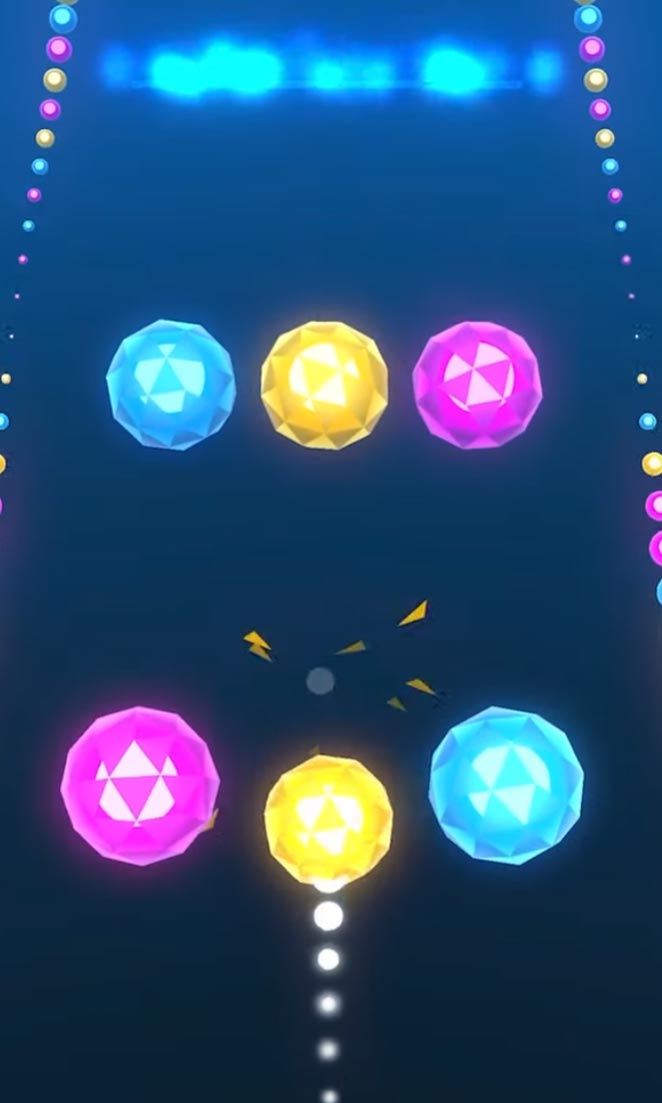
Immediately understandable game of matching and avoiding.

Puzzle & logic

Simple rules that players can read, predict, and exploit.

Placeholder for a robot logic maze HypeHype prototype
A robot maze prototype explored programming-like logic as a puzzle mechanic.
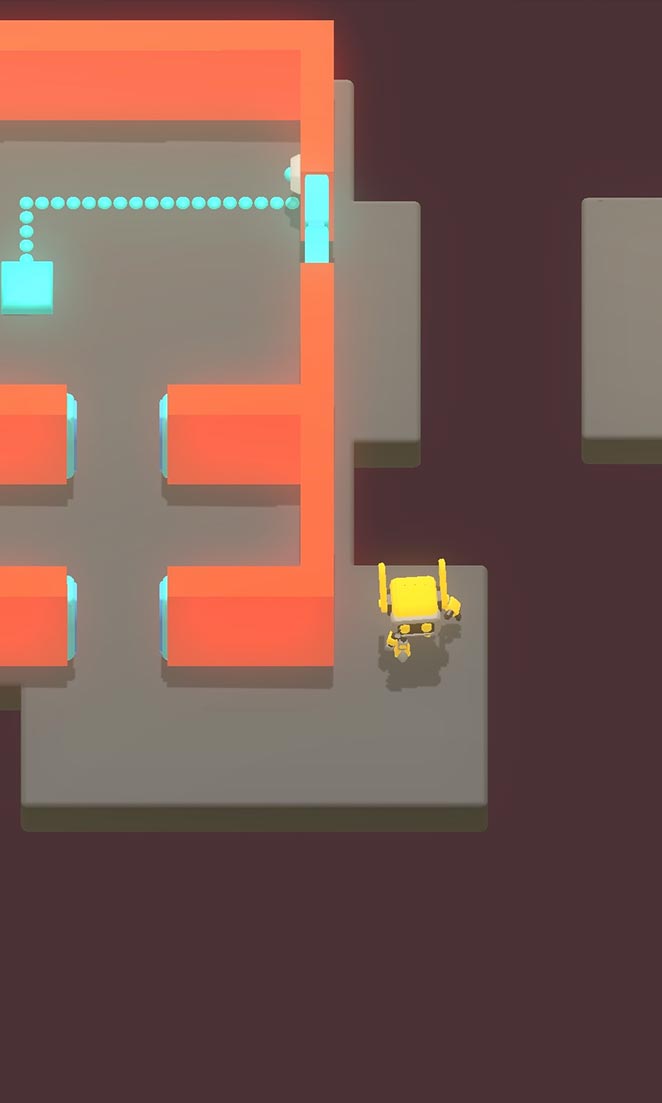
Placeholder for a grapple robot HypeHype prototype
A classic puzzle tested movement constraints and spatial problem solving.

A large part of the work involved puzzle and logic systems. These ranged from a robot maze controlled through simple programming logic to Lemmings-style character guidance, chess-piece enemy movement, dungeon exploration puzzles, parking-lot vehicle puzzles, and grapple-based robot traversal.

These prototypes focused on creating rules that players could understand, predict, and use creatively. The goal was to make the logic visible through interaction rather than relying on long explanations.

Racing, action & timing

Game feel across vehicles, obstacles, rhythm, and targeting.

Other prototypes focused on action, timing, and movement feel. I built rally racing with drifting, drag racing, boat racing, skeet shooting, a first-person asteroid shooter, top-down tank target practice, and obstacle-runner concepts.

One runner prototype synchronized obstacles to music, creating a connection between level timing and audio. These projects were useful for testing responsiveness, readability, pacing, and how quickly a player could understand a mechanic through motion and feedback.

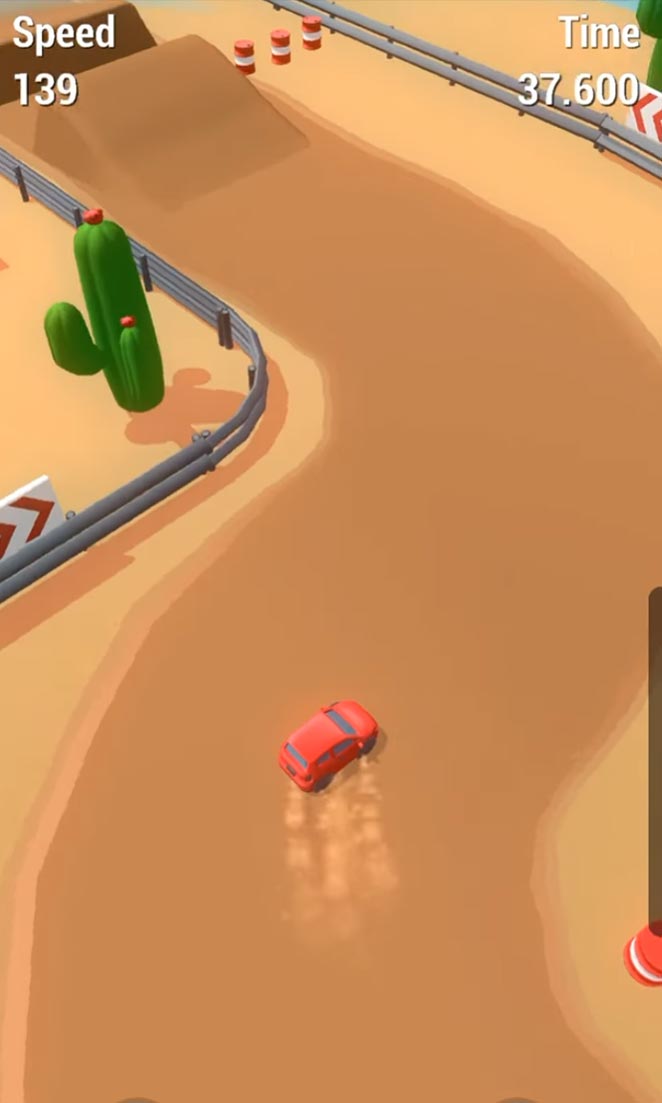
Placeholder for a rally drifting HypeHype prototype
A rally prototype focused on drifting, acceleration, and casual driving feel.
Placeholder for a boat combat HypeHype prototype
Skeet shooting tested projectile arcs and timing-based targeting.

Tools & experiments

The platform was also useful beyond conventional games.

Placeholder for a tracker-style music composer made in HypeHype
Demoscene-inspired real-time voxel animation inside HypeHype.

Beyond casual games, I used HypeHype to create interactive experiments, animations, demoscene-style scenes, and tool-like experiences. One example was an old-school tracker-inspired music composer built inside the platform.

These projects helped explore HypeHype not only as a game-making tool, but as a broader creative environment for interactive systems, visual experiments, and playful tools.

Visual scripting workflow

Playable prototypes made iteration faster and more concrete.

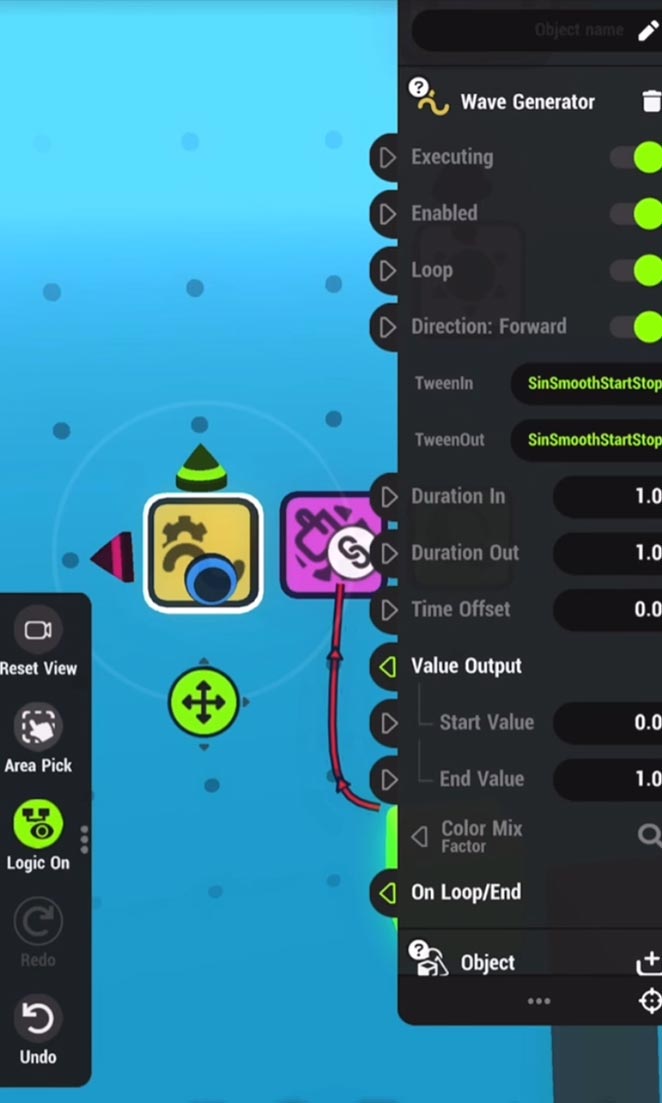
A major part of the work was building gameplay through HypeHype's visual scripting tools. This made it possible to move quickly from an idea to a playable prototype without the slower setup of a traditional game project.

The prototypes were useful because they tested actual interaction. Instead of only describing an idea, I could build the controls, rules, feedback, and game loop, then immediately evaluate whether the concept felt understandable and fun.

Why visual scripting mattered

  • Ideas could be tested as playable interactions.
  • Mechanics could be evaluated through feel, not only description.
  • Compact prototypes made it easier to explore many directions.
  • The same toolset supported games, templates, animations, and experiments.
Placeholder for HypeHype visual scripting workflow
Visual scripting made it possible to quickly connect mechanics, rules, feedback, and playable results.

Selected prototype highlights

Eight examples from a much larger body of work.

The full body of work included roughly 60 playable game prototypes and around 20 additional experiments. These selected examples show the range of mechanics explored.

100-Balls-at-Once Minigolf

A physics experiment where around 100 balls are active at once in a minigolf-style course. The prototype explored chaotic motion, crowd-like object behavior, and how far a simple casual concept could be pushed while remaining readable.

  • Physics
  • Hypercasual
  • Experiment

Robot Logic Maze

A maze-based puzzle where the player controls a robot through simple programming logic. The prototype explored rule-based problem solving, planning, and how visual scripting concepts could become gameplay.

  • Puzzle
  • Logic
  • Programming

Music-Synced Obstacle Runner

A Subway Surfers-style obstacle run where obstacles were synchronized to music. The prototype explored timing, rhythm, readability, and the relationship between level design and audio.

  • Runner
  • Rhythm
  • Timing

Rally Drifting

A compact rally racing prototype focused on drifting, vehicle handling, acceleration, and casual driving feel.

  • Racing
  • Vehicles
  • Game Feel

Boat vs Island Turrets

A projectile combat prototype where a boat fights island turrets using ballistic trajectories. The prototype explored aiming readability, projectile arcs, and timing-based combat.

  • Projectiles
  • Combat
  • Physics

Grapple Robot Puzzle

A top-down robot puzzle where a grapple-like gun pulls the robot across gaps. The prototype explored movement constraints, spatial puzzle design, and physics-like traversal.

  • Puzzle
  • Movement
  • Grapple

Ragdoll Crowd Surfing

A hypercasual physics prototype based on ragdoll motion and crowd-like interaction. The focus was on readable chaos, humor, and immediately understandable physical play.

  • Physics
  • Hypercasual
  • Ragdoll

Tracker-Style Music Composer

An old-school tracker-inspired music composer built inside HypeHype. This showed how the platform could support tool-like creative interactions, not only conventional game mechanics.

  • Tool UX
  • Music
  • Experiment

Additional prototypes

A wider library of compact playable ideas.

The selected highlights represent only part of the full body of work. Other prototypes included rolling ball puzzles, drag racing, skeet shooting, curling-style gameplay, single-player and multiplayer obstacle runs, top-down tank target practice, Lemmings-style puzzles, chess-piece enemy puzzles, dungeon exploration, bouncing ball puzzles, find-object games, boat racing, pool table croquet, simple platformers, turn-based action, parking lot puzzles, and themed adventure experiments.

Placeholder for additional HypeHype prototypes and experiments
Additional prototypes and experiments from the HypeHype work.

Key takeaways

Rapid prototyping turns abstract game ideas into testable experiences.

This work demonstrates my ability to rapidly prototype playable mechanics, explore game feel, build systems with visual scripting, create reusable templates, and work across a wide range of casual game genres.

The HypeHype projects are valuable as a body of work because they show repeated execution across many different mechanics. Instead of focusing on one genre or one type of interaction, I was able to build racing games, shooters, physics games, puzzles, obstacle runs, music tools, multiplayer concepts, and experimental scenes inside the same creation platform.

This experience strengthened my ability to think in systems, test ideas quickly, and turn abstract gameplay concepts into playable experiences.